Fragrance Notes Are Layers Of Scent That Are Layered To Form The Final Fragrance. Fragrance Notes Are Categorised Into Three Main Elements Based On How Long They Take To Evaporate, And How Long They Typically Last Following Application: Top Notes, Heart Notes And Base Notes.
Heliotrope
Heliotrope offers a sweet, powdery, and almond-like scent, often reminiscent of marzipan or vanilla. This captivating floral note provides depth and warmth, featuring nutty, comforting undertones. It is frequently used as a long-lasting base note to anchor fragrances and evoke feelings of nostalgia and romance.

Origin & Extraction Of Heliotrope
Heliotrope, derived from the Heliotropium arborescens flower, gained immense popularity in the late 19th and early 20th centuries. Its scent, which combines floral powderiness with a distinctive almond or marzipan facet (often due to the presence of the compound heliotropin), quickly established it as a key ingredient in 'époque' fragrances. It was instrumental in creating the iconic powdery, soft, and comforting aroma characteristic of many classic romantic scents, moving perfumery away from the heavier, more animalic structures that preceded it. Heliotrope was famously used in early synthetic floral-aldehyde compositions, lending depth and a sweet, dreamy quality.
Today, the use of the Heliotrope note persists, particularly in fragrances aiming for a vintage, nostalgic, or gourmand effect. While heliotropin itself is regulated or sometimes substituted due to safety concerns, modern perfumers successfully recreate the sweet, powdery, and almond accord using complex combinations of vanilla, benzoin, and other synthetics. It functions primarily as a heart or base note, celebrated for its fixative qualities and its ability to lend a long-lasting, velvety texture, bridging traditional floral genres with contemporary gourmand and sensual oriental compositions.
Extraction Methods of Heliotrope
Historically, the fragrance of heliotrope was captured from its flowers using enfleurage, a labor-intensive process where petals were placed on layers of odorless animal or vegetable fat to absorb their aromatic compounds. Once saturated, the fat (pomade) was washed with alcohol to separate the essential oil. Another traditional technique involved simple maceration or infusion, where flowers, leaves, or roots were steeped in solvents like ethanol or water to create tinctures and decoctions for medicinal and aromatic purposes.
In modern perfumery, heliotrope essence is primarily obtained through solvent extraction to produce an absolute, which better preserves the potent, long-lasting scent compared to traditional methods. Advanced steam distillation is also utilized to extract essential oils from the flowers. Furthermore, because the yield from natural heliotrope is relatively low, latest practices frequently involve the use of synthetic compounds, such as heliotropin (piperonal), to enhance, modify, or replicate the characteristic "cherry pie" aroma in a laboratory setting. Recent scientific developments also utilize supercritical CO2 extraction and high-resolution LC-MS/MS analysis to isolate and identify specific aromatic and phytochemical constituents with high precision.
Heliotrope, known for its sweet, powdery, and distinctive almond-like scent, is a cherished note in modern perfumery, offering a comforting and nostalgic depth that often anchors a fragrance. Its creamy, marzipan-like quality blends beautifully with vanilla and tonka bean, making it a natural fit for sophisticated gourmand and romantic floral compositions. It acts as a velvety smooth element, ensuring the fragrance feels rich and enveloping, especially in evening or cooler weather scents.
- A prominent modern use of heliotrope can be found in **Narciso Rodriguez Musc Noir EDP**, where its creamy sweetness adds an intimate warmth to sensual musk and deep suede notes, resulting in a mysterious and understated signature scent.
- The sophisticated fragrance **Creed Delphinus EDP** expertly blends heliotrope's powdery sweetness with almond, incense, and vanilla, achieving an elegant and luminous yet grounding aroma.
- Another notable example is **Franck Boclet Heliotrope EDP**, which centers the fragrance around the note, layering its characteristic powdery sweetness with vanilla and tonka bean for a luxurious and cozy gourmand touch.
In contemporary designer and niche perfumery, heliotrope is celebrated for its versatility, bridging the gap between traditional floral bouquets and modern gourmand demands. Unlike traditional, sharp citrus top notes, heliotrope typically functions in the heart or base, providing longevity and a soft, velvety texture. This ensures the fragrance maintains a persistent aura of sophisticated sweetness and warmth long after application.
Classic fragrance houses also utilize heliotrope for its historical association with romantic and powdery florals. Its unique ability to evoke the scent of marzipan or almond ensures that while it is technically a floral note, it imparts a delicious, cozy feeling that is addictive and universally appealing, elevating simple compositions into complex, comforting sensory experiences, such as the sensual blend found in **Lalique Satine EDP**.
Sustainability Of Heliotrope
Sustainability of Heliotrope
- Transitioning toward synthetic alternatives like heliotropin to preserve natural populations and reduce the environmental impact of large-scale flower harvesting
- Adopting advanced extraction technologies such as headspace and CO2 extraction to capture delicate aromatic profiles with higher purity and lower energy consumption
- Sourcing complementary natural ingredients from ethical programs that support local communities, such as vanilla farmers in Madagascar through clean water and medical initiatives
- Partnering with reforestation and carbon-offset projects to plant trees and mitigate the carbon footprint associated with fragrance production and shipping
- Implementing circular economy principles by offering eco-friendly refills and utilizing recycled packaging to reduce plastic waste and single-use containers
Trivia
Heliotrope is known as the cherry pie flower due to its sweet, vanilla-almond scent, yet this luscious fragrance masks the fact that every part of the plant is actually poisonous.
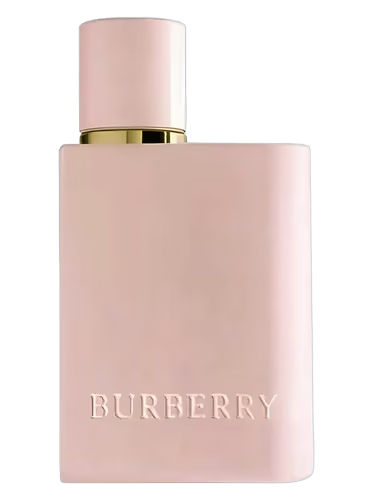
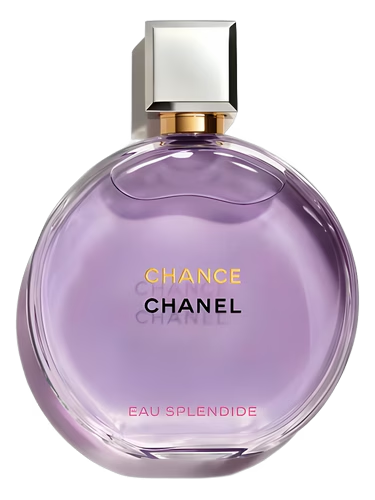
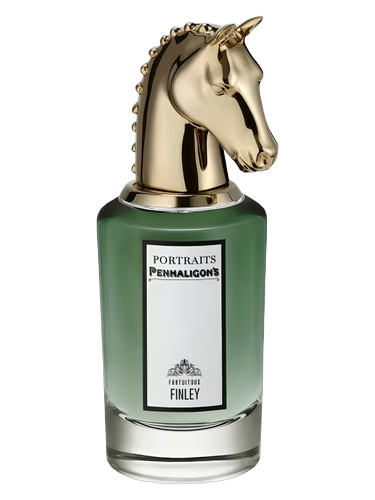
Most Popular Scents Using Heliotrope
What is Heliotrope?
Heliotrope is a flowering plant native to Peru, also known as the "cherry pie flower," whose scent is highly valued in perfumery for its sweet, powdery, and comforting qualities.What does Heliotrope smell like?
It features a distinctive aroma reminiscent of almond, marzipan, and vanilla, often described as having a soft, velvety, and "fluffy-cloud-like" texture with subtle floral and balsamic undertones.How is Heliotrope essence extracted?
While historically captured through enfleurage or maceration, modern perfumery primarily uses solvent extraction to create an absolute or recreates the scent using the synthetic compound heliotropin (piperonal).What are some top perfumes featuring Heliotrope?
Notable fragrances include Guerlain L'Heure Bleue, Narciso Rodriguez Musc Noir, Creed Delphinus, Etro Heliotrope, and Bvlgari Omnia Amethyste.When is Heliotrope in season?
Heliotrope is a warm-season bloomer that typically flowers from summer through the first frost, with its peak blooming period occurring between July and September.