Fragrance Notes Are Layers Of Scent That Are Layered To Form The Final Fragrance. Fragrance Notes Are Categorised Into Three Main Elements Based On How Long They Take To Evaporate, And How Long They Typically Last Following Application: Top Notes, Heart Notes And Base Notes.
Chinese Magnolia
Chinese Magnolia offers a delicate, refined floral essence, balancing a fresh, sweet, and powerful scent with warm, powdery, and mildly spicy undertones. It features a bright, luminous quality, often presenting as a green floral note with hints of citrus. It adds elegance and sophistication to fragrance compositions.

Origin & Extraction Of Chinese Magnolia
Chinese Magnolia essence, derived from trees cultivated mainly in the Guanxi and Fujian provinces of China, has a history rooted in traditional, artisanal aromatic consumption on the local market. For centuries, the fragrant quality of the magnolia flower was valued regionally.
Its entrance into modern fine perfumery is relatively recent, only beginning to be exported for the international perfume industry since the 1990s. This note is prized for its delicate, refined floral scent, which balances fresh sweetness with warm, mildly spicy undertones, and often provides a luminous, green-citrus quality to sophisticated compositions.
Historically, Chinese magnolia aromatic compounds and medicinal extracts were obtained through traditional manual techniques, including simple distillation and solvent extraction using alcohol or ether. Ancient methods often involved pulverizing the bark or flower buds and using alkali liquor or maceration in oils and honeys to capture the plant's zesty and spicy essence. For floral notes, the "ecuelle a piquer" and sponge methods were sometimes adapted to rupture oil glands, while bark was traditionally processed through labor-intensive boiling and precipitation stages to isolate active biphenolic compounds like magnolol and honokiol.
Modern commercial extraction has evolved to include advanced mechanical and chemical processes that improve purity and yield. Current standard methods utilize high-speed mechanical pulverization followed by heat-reflux extraction with ethanol solvents and vacuum concentration. Innovative "green" technologies have also emerged, such as mechanochemical-assisted extraction (MCAE), which uses high-intensity mechanical force to disrupt cell walls at lower temperatures, and supercritical carbon dioxide (scCO2) extraction, which captures delicate aromatic molecules without the high heat associated with traditional distillation.
Chinese Magnolia, prized for its delicate, refined floral essence and luminous, green-citrus quality, is increasingly valued in modern niche and designer perfumery to add sophistication. While the note is a relatively recent addition to the international market (since the 1990s), it offers a distinctive balance of fresh sweetness and warm, mildly spicy undertones, setting it apart from traditional white florals. This unique complexity allows it to bridge floral and fresh accords seamlessly.
- * * *
Specific fragrances highlight the pure essence of Chinese Magnolia. For example, INFLORESCENCE (송아리) ELOREA features this note to emphasize a fresh and contemporary floral profile. Other modern niche houses utilize it for its subtle, exotic sweetness, such as Shennong. Auphorie, creating sophisticated and unique aromatic experiences that resonate with its East Asian origins.
- * * *
The broader usage of the Magnolia note, which includes the Chinese variety, can be seen in designer lines aiming for elegant, luminous florals. Beautiful Magnolia Wonderland Edition by Estée Lauder utilizes the note's bright qualities to create a cheerful and captivating feminine scent. Similarly, the note is often paired with zesty citruses, like bergamot and lemon (as seen in the famous Eau de Magnolia by Frédéric Malle, which uses the broader magnolia profile), demonstrating its versatility as a fresh, yet enduring, centerpiece in a fragrance composition.
Sustainability Of Chinese Magnolia
Sustainability of Chinese Magnolia
- Empowering women through sustainable agriculture by utilizing innovative dwarfing techniques that keep trees low to the ground, making hand-harvesting safer and more accessible
- Promoting socio-economic resilience for local farming communities in Southern China by creating year-round income opportunities through the harvest of both flowers and leaves
- Adopting artisanal and low-impact hand-picking methods that preserve the health of the trees and their surrounding ecosystems
- Implementing ethical sourcing programs, such as the Orpur label, which ensure high-quality natural ingredients are collected in a responsible and traceable manner
- Supporting global conservation and reforestation projects, such as planting trees in Madagascar and building essential infrastructure in sourcing regions like Haiti
- Advancing eco-friendly extraction methodologies, such as steam distillation and minimal-impact botanical collection, to preserve aromatic integrity while protecting biodiversity
Trivia
In ancient China, the magnolia was so highly esteemed for its purity and nobility that Emperors would gift the tree to subjects as a mark of great royal respect.
Most Popular Scents Using Chinese Magnolia
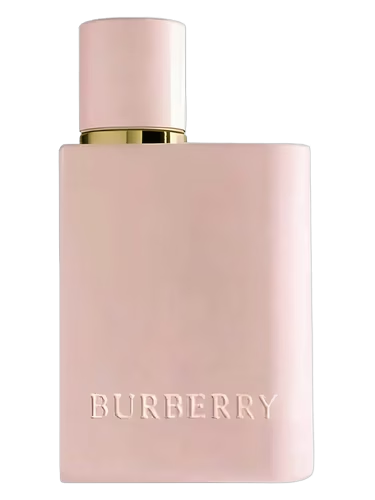
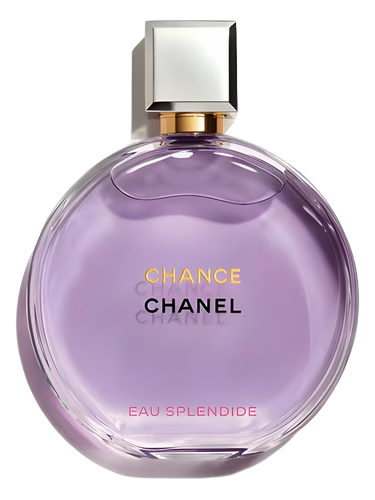
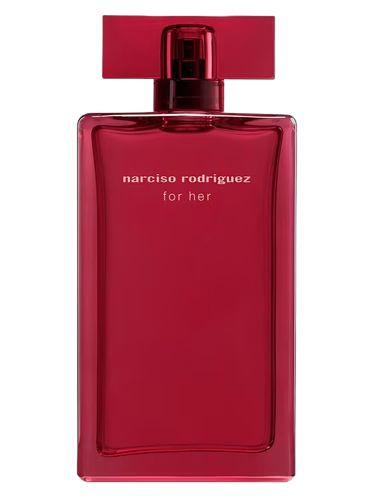
What is Chinese Magnolia?
Chinese Magnolia, often derived from the Michelia alba tree native to China, is a delicate floral note prized in fine perfumery for its balance of fresh sweetness and luminous, green-citrus qualities.What does Chinese Magnolia smell like?
It offers a refined floral essence with fresh, sweet, and powerful facets, featuring warm, powdery, and mildly spicy undertones along with hints of lemon and pear.How is Chinese Magnolia essence extracted?
The aromatic compounds are primarily obtained through steam distillation or solvent extraction of the flowers, and sometimes the leaves, to capture their creamy and citrusy profile.What are some top perfumes featuring Chinese Magnolia?
Notable fragrances include Chloé Atelier des Fleurs Magnolia Alba, Acqua di Parma Magnolia Nobile, Frédéric Malle Eau de Magnolia, and Estée Lauder Beautiful Magnolia.When is Chinese Magnolia in season?
The trees typically have a primary blooming period from March to April (early spring), with a second, smaller round of blossoms occasionally occurring between August and November.